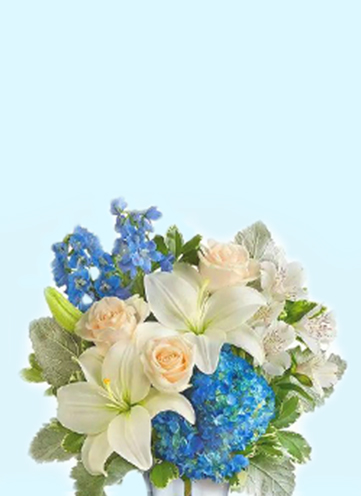
Essential Tips for Healthy Hydrangeas
Posted on 21/06/2025
Essential Tips for Healthy Hydrangeas
Hydrangeas are one of the most beloved flowering plants for gardeners around the world. Known for their lush, vibrant blooms and leafy foliage, these enchanting plants can grace any landscape with a touch of color and elegance. Healthy hydrangeas require the right care, attention, and knowledge. This in-depth guide will walk you through the crucial tips to ensure your hydrangeas stay robust, beautiful, and thriving year after year.

Understanding the Different Types of Hydrangeas
Before diving into care tips, understanding what type of hydrangeas you have is essential for providing proper maintenance. There are several popular varieties, each with its own requirements:
- Bigleaf Hydrangeas (Hydrangea macrophylla) - Known for their large, mophead or lacecap blooms.
- Panicled Hydrangeas (Hydrangea paniculata) - Feature cone-shaped flower clusters, often turning pinkish in late season.
- Oakleaf Hydrangeas (Hydrangea quercifolia) - Named for their oak-shaped leaves and white flower spikes.
- Smooth Hydrangeas (Hydrangea arborescens) - Popular for their enormous rounded blooms.
- Climbing Hydrangeas (Hydrangea anomala petiolaris) - Vine-like plants with showy flowers, ideal for walls and trellises.
Knowing your hydrangea type helps tailor your care routine for optimal health and growth.
Planting Hydrangeas: The Foundation of Healthy Plants
Picking the Perfect Spot
- Sunlight: Most hydrangeas prefer morning sun and afternoon shade. Too much direct sunlight can scorch the leaves and flowers, while too little can reduce blooming.
- Soil: Aim for rich, well-draining soil. Hydrangeas don't like "wet feet," so avoid areas where water tends to pool after rain.
- Spacing: Allow adequate space for air circulation, which helps prevent diseases and encourages robust growth.
Soil Preparation Tips
- Loosen the soil: Dig down about 12-18 inches and mix in organic matter such as compost or peat moss.
- Test pH Level: Hydrangeas' flower color can be influenced by soil pH. Acidic soils often produce blue flowers, while alkaline soils lead to pink blooms.
- Good drainage: Amend clay soils with sand or organic matter to enhance drainage and root health.
Watering Strategies for Happy Hydrangeas
Consistent Moisture is Key
Hydrangeas love moisture but dislike soggy soil. Here are essential watering tips for healthy hydrangeas:
- Deep watering: Water thoroughly to encourage deep root growth. Shallow, frequent watering promotes weak roots.
- Morning routine: Water early in the day to minimize evaporation and reduce fungal risk.
- Mulching: Apply a 2-3 inch layer of organic mulch to retain humidity, suppress weeds, and regulate soil temperature.
Note: During hot, dry periods, hydrangeas may need watering up to three times a week. Always check the top inch of soil; if it feels dry, it's time to water.
Fertilizing Your Hydrangeas for Lush Growth
Choosing the Right Fertilizer
- Balanced slow-release fertilizer: Use a well-balanced, slow-release fertilizer specifically designed for flowering shrubs, ideally applied in early spring.
- Avoid over-fertilization: Excess nutrients, especially nitrogen, can cause lush foliage but fewer flowers.
- Special blends: Some fertilizers are formulated to enhance bloom color--check product labels for your variety.
Fertilizer Schedule
- First feeding in early spring as new growth appears.
- Second feeding in late spring or early summer, if needed.
- Tip: Fertilize lightly in containers, as nutrients accumulate more quickly.
Pruning Hydrangeas Like a Pro
When and How to Prune
Proper pruning keeps your hydrangea bushes healthy, controls shape, and maximizes blooms. The timing and method depend on your hydrangea type:
- Bigleaf and oakleaf hydrangeas: Prune immediately after flowering, as they bloom on old wood. Remove spent flowers, weak stems, and dead wood.
- Panicled and smooth hydrangeas: These bloom on new wood, so prune in late winter or early spring, cutting stems back by a third or more to encourage strong, flower-bearing growth.
- Climbing hydrangeas: Lightly prune after blooming, mainly to maintain shape and remove damaged or unruly growth.
General Pruning Tips
- Use clean, sharp tools: This minimizes damage and prevents disease spread.
- Remove dead or diseased wood: Keeps the plant healthy and encourages new shoots.
- Don't over-prune: Excess cutting can limit next season's blooms.
Pest and Disease Control
Common Issues Facing Healthy Hydrangeas
- Powdery mildew: Fungal disease appearing as a white powder on leaves. Improve air circulation and use suitable fungicides to control.
- Aphids and spider mites: Tiny pests that suck plant sap and may cause distorted leaves and stunted growth. Treat with insecticidal soap or neem oil.
- Leaf spot: Water in the morning and avoid overhead watering to reduce risk. Remove and dispose of infected leaves.
- Slugs and snails: Set traps or use organic pellets to protect vulnerable young shoots.
Early detection and prompt intervention are crucial for maintaining healthy hydrangeas. Regularly inspect your plants for signs of distress.
Adjusting Bloom Color: Soil's Impact on Flower Hues
Soil pH and Hydrangea Color
One of the most fascinating features of hydrangeas is the ability to alter their flower color by adjusting soil chemistry. Here's how it works:
- Blue hydrangeas: Grow best in acidic soil (pH < 6). Add aluminum sulfate or organic materials like pine needles to lower pH.
- Pink hydrangeas: Prefer alkaline soil (pH > 7). Add garden lime to increase pH levels.
Note: Not all hydrangea varieties change color--mainly bigleaf hydrangeas respond this way.
How to Change Your Hydrangea's Color
- Test soil pH annually with a home kit.
- To make blooms blue: Apply aluminum sulfate around the base in early spring.
- To make blooms pink: Apply garden lime sparingly in fall or early spring.
- Monitor results and adjust slowly; dramatic changes can stress your plant.
Seasonal Care for Hydrangeas
Spring
- Fertilize and apply fresh mulch.
- Inspect for winter damage and prune as needed.
- Start monitoring for pests and diseases.
Summer
- Water deeply during dry periods; avoid water on leaves to prevent fungal issues.
- Deadhead spent blooms for extended flowering.
Fall
- Cease fertilizing late in the season to prepare for dormancy.
- Add mulch to protect roots before frost.
Winter
- Protect hydrangeas with burlap in harsh climates.
- Water only during dry spells if the ground isn't frozen.
Frequently Asked Questions About Healthy Hydrangeas
Why are my hydrangea leaves turning yellow?
- Water stress: Both over- and under-watering can cause yellow leaves. Check moisture levels regularly.
- Nutrient deficiency: Apply a balanced fertilizer if growth seems weak or leaves are pale.
Can I grow hydrangeas in containers?
- Yes! Use a large, well-draining container and a high-quality potting mix.
- Monitor watering, as containers dry out faster than garden beds.
- Fertilize lightly, as nutrients deplete more quickly.
How can I increase hydrangea blooms?
- Choose the right spot with morning sun and afternoon shade.
- Prune correctly for your variety.
- Feed once or twice per season with a fertilizer designed for blooming shrubs.
- Ensure plants aren't stressed by drought, pests, or severe pruning.

Bonus Tips for Gorgeous, Vibrant Hydrangeas
- Companion planting: Hydrangeas look beautiful alongside hostas, ferns, and shade-loving perennials that help retain soil moisture.
- Seasonal mulch: In hot and cold climates, renew mulch twice a year for healthy roots.
- Routine monitoring: Walk your garden weekly--early detection of problems saves time and plants.
- Try new varieties: There are compact and dwarf forms perfect for small gardens or containers.
Conclusion: Cultivating Healthy, Thriving Hydrangeas
With these essential tips for healthy hydrangeas, you're well on your way to a garden filled with vibrant blooms and lush greenery. Remember, the secret to thriving hydrangeas lies in regular care, attention to their needs, and patience as they grow and mature. Whether you're a beginner or a seasoned gardener, following these guidelines will reward you with a stunning hydrangea display for years to come.
Happy gardening!
Latest Posts
Discover the Flower That Reflects Your Unique Personality
Discover the Mood-Boosting Magic of Flowers
The Ultimate Orchid Care Guide
Discover Simple Techniques to Keep Your Flowers Fresh and Vibrant